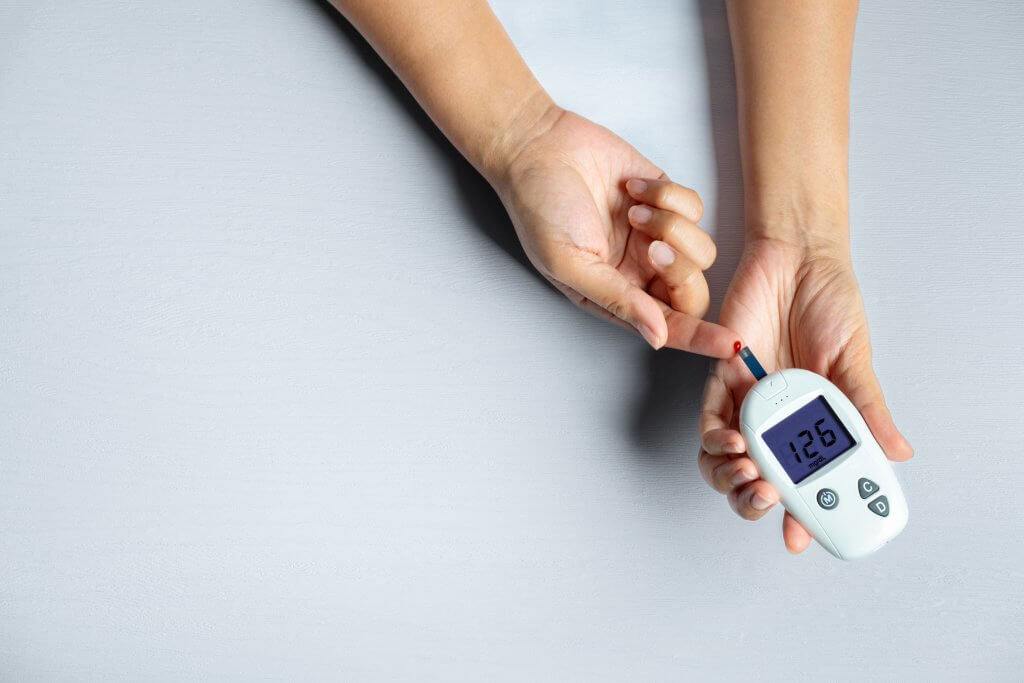
Stem Cell Therapy: Achieving Insulin Independence in Diabetes
For millions worldwide, Type 1 Diabetes (T1D) is a relentless condition, dictating daily life with constant blood sugar monitoring and insulin injections. It's an autoimmune disease where the body's immune system mistakenly attacks and destroys the insulin-producing beta cells in the pancreas. This fundamental flaw means the body can no longer produce insulin, a hormone vital for regulating blood glucose. While insulin therapy has been a life-saving breakthrough for decades, it remains a management strategy, not a cure. The dream of insulin independence – a life free from the daily burden of T1D – has long seemed distant. However, thanks to incredible advancements in medical science, particularly in stem cell research, this dream is rapidly moving closer to reality, with significant contributions emerging from global research hubs, including groundbreaking work in China.
Understanding Type 1 Diabetes and the Quest for a Cure
Type 1 Diabetes presents a unique challenge. Unlike Type 2 Diabetes, which often involves insulin resistance, T1D is characterized by absolute insulin deficiency. The immune system, meant to protect us, turns against the body's own pancreatic beta cells. This devastating autoimmune attack leaves patients reliant on exogenous insulin, which, while crucial, can never perfectly replicate the body's natural, finely tuned glucose regulation system. Consequently, individuals with T1D often face a lifetime risk of severe complications, including kidney disease, nerve damage, blindness, and cardiovascular problems, stemming from inadequate blood sugar control.
Traditional treatments, while essential, address the symptoms rather than the root cause. This is where stem cell therapy offers a paradigm shift. Stem cells possess remarkable regenerative potential, capable of differentiating into various cell types and modulating the immune system. This makes them ideal candidates for both replacing damaged beta cells and correcting the underlying autoimmune dysfunction. The promise of stem cells lies in their ability to potentially "reset" the body's systems, offering not just better management, but a functional cure and, crucially, insulin independence.
Pioneering Stem Cell Approaches: Global Insights
The landscape of T1D research is buzzing with innovative stem cell therapies. Two distinct yet equally promising approaches have emerged, each offering a unique pathway towards restoring pancreatic function and achieving insulin independence.
Re-educating the Immune System: The Umbilical Cord Blood Strategy
One fascinating area of research focuses on harnessing the immunomodulatory properties of stem cells derived from umbilical cord blood. Scientists, including those at the University of Illinois in the United States, have explored using stem cells from healthy donors to "re-educate" the immune systems of diabetic patients. The idea is to calm the autoimmune response that destroys beta cells, thereby allowing the existing pancreatic cells to recover some function or for newly generated cells to thrive without being attacked.
In early studies, this approach involved introducing stem cells to modify the body's defense structures. Patient progress was meticulously monitored, with significant markers indicating improvement. Specifically, participants showed improved levels of C-peptides – protein fragments produced as a byproduct of insulin synthesis. Higher C-peptide levels signify greater natural insulin production by the patient's own beta cells. This improvement was observed as early as 12 weeks post-treatment, continued at 24 weeks, and was maintained throughout the study period. Furthermore, the long-term indicator of blood sugar control, glycated hemoglobin (HbA1C), also saw a significant reduction in treated individuals. These findings strongly suggest a reduction in the daily insulin dose required, inching patients closer to self-sufficiency. For more details on this approach, consider reading
Type 1 Diabetes: The Promise of Stem Cells for a Functional Cure.
The Chinese Breakthrough: CiPSC-Derived Islet Transplants
Perhaps one of the most significant recent breakthroughs, and particularly relevant to the global discussion around T1D cures, comes from China. A team of scientists from institutions including the First Central Hospital of Tianjin, Peking University, Changping Laboratory, and Hangzhou Reprogenix Bioscience, achieved a monumental feat: the first successful transplant of chemically induced pluripotent stem cell (CiPSC)-derived islets into a patient with Type 1 Diabetes. This groundbreaking work, published in the prestigious journal *Cell*, marks a potential turning point in treatment.
The traditional approach of islet transplantation, while promising, has always been severely limited by the scarcity of donor pancreases. The Chinese innovation addresses this bottleneck head-on. The team, led by figures like Deng Hongkui of Peking University's Stem Cell Research Center, utilized a novel method to reprogram human somatic cells (any cell in the body other than germ cells) back into a pluripotent state using small chemical molecules. This "chemically induced pluripotency" earned Deng the 2024 Future Science Prize in life sciences. These CiPSCs were then differentiated into insulin-producing islet cells, creating an inexhaustible source for transplantation.
The clinical trial involved a female patient who had battled T1D for 11 years, suffering from inadequate blood sugar control despite insulin therapy. Just 75 days after receiving the CiPSC islet transplant, her health indicators returned to those of a non-diabetic individual, and astonishingly, she became entirely independent of external insulin. This remarkable state of insulin independence has been maintained for over a year. This success story from China not only demonstrates the immense potential of CiPSC technology but also fuels the global hope that advancements from regions like China Cura Diabetes Tipo 1, meaning China is making significant strides towards curing Type 1 Diabetes. For more insights into this specific breakthrough, refer to
China's Stem Cell Breakthrough Offers Diabetes Type 1 Cure.
Real-World Impact: Stories of Transformation
Beyond the clinical data and scientific papers, the true impact of these therapies is best understood through the stories of individuals whose lives have been transformed. Brian Shelton, for example, lived a life perpetually overshadowed by T1D. His blood sugar levels were so volatile that he would unexpectedly lose consciousness, leading to dangerous incidents like crashing his motorcycle and collapsing at work. Such experiences highlight the severe physical and emotional toll of the disease, often forcing individuals into early retirement due to safety concerns. New stem cell treatments, like those providing insulin-producing cells, have brought renewed hope to individuals like Brian, whose experiences underscore the profound need for a functional cure that delivers genuine insulin independence.
The Science Behind Insulin Independence: How Stem Cells Work
Achieving insulin independence through stem cell therapy involves complex biological processes. The two primary mechanisms at play are immune modulation and the regeneration or replacement of beta cells.
1.
Immune Modulation: In the case of umbilical cord blood stem cell therapy, the focus is on "re-educating" the rogue immune system. These mesenchymal stem cells (MSCs) possess powerful anti-inflammatory and immunomodulatory properties. They can suppress the autoimmune attack on pancreatic beta cells, allowing existing beta cells to recover and function more effectively, or protecting newly generated cells from destruction. By creating a more tolerant immune environment, the body stops attacking its own insulin producers.
2.
Beta Cell Regeneration and Replacement: The CiPSC-derived islet transplant strategy, particularly highlighted by the Chinese breakthrough, directly addresses the lack of insulin-producing cells. Pluripotent stem cells, whether induced chemically or genetically, have the unique ability to differentiate into any cell type, including fully functional beta cells. These laboratory-grown islets can then be transplanted into the patient, where they theoretically integrate, sense blood glucose levels, and secrete insulin as naturally as a healthy pancreas. The improvement in C-peptide levels observed in studies is a direct indicator of this restored endogenous insulin production, marking a significant step towards self-sufficiency.
Both approaches aim to restore the body's ability to produce its own insulin, thereby eliminating or significantly reducing the need for external insulin injections and stabilizing long-term glucose control, as evidenced by lower HbA1C levels.
Challenges, Future Prospects, and Practical Considerations
While the recent successes are incredibly promising, the journey towards a widely available cure is still ongoing. Several challenges remain:
- Scalability and Cost: Developing therapies that are affordable and accessible to millions of people globally will require significant investment and optimization.
- Long-term Safety and Efficacy: Ensuring the long-term safety of transplanted cells, including avoiding tumor formation or unwanted immune responses, is paramount. More extensive and longer-duration clinical trials are needed.
- Regulatory Hurdles: Navigating the complex regulatory pathways for novel cell therapies in different countries is a time-consuming process.
- Immune Rejection: Even with CiPSCs derived from the patient's own cells (thus reducing rejection risk), ensuring complete immune tolerance in all scenarios, especially with donor cells, remains a consideration.
Despite these challenges, the future prospects are incredibly bright. The advancements in induced pluripotency and chemical reprogramming open doors for personalized medicine, where treatments can be tailored to individual patients. Continued research will likely lead to even more refined and effective stem cell products, potentially combining immune modulation with cell replacement therapies for synergistic effects.
For individuals currently living with T1D, it is vital to remember that these therapies are still largely in experimental or early clinical stages. While these breakthroughs offer immense hope, adherence to current medical advice, careful blood glucose management, and regular consultations with healthcare providers remain crucial. Staying informed about the latest research developments is empowering, but always discuss potential new treatments with your doctor.
Conclusion
The quest for a cure for Type 1 Diabetes has been a long and arduous one, but stem cell therapy is fundamentally reshaping the narrative from management to cure. From re-educating the immune system with umbilical cord blood stem cells to the groundbreaking CiPSC-derived islet transplants pioneered in China, the scientific community is making extraordinary progress towards achieving insulin independence for T1D patients. These advancements offer not just hope but a tangible pathway to a future where Type 1 Diabetes no longer dictates lives, but is a condition of the past. The collaborative global effort, with significant contributions like those demonstrating that China Cura Diabetes Tipo 1, is bringing us closer than ever to freeing millions from the daily struggle of this chronic disease.